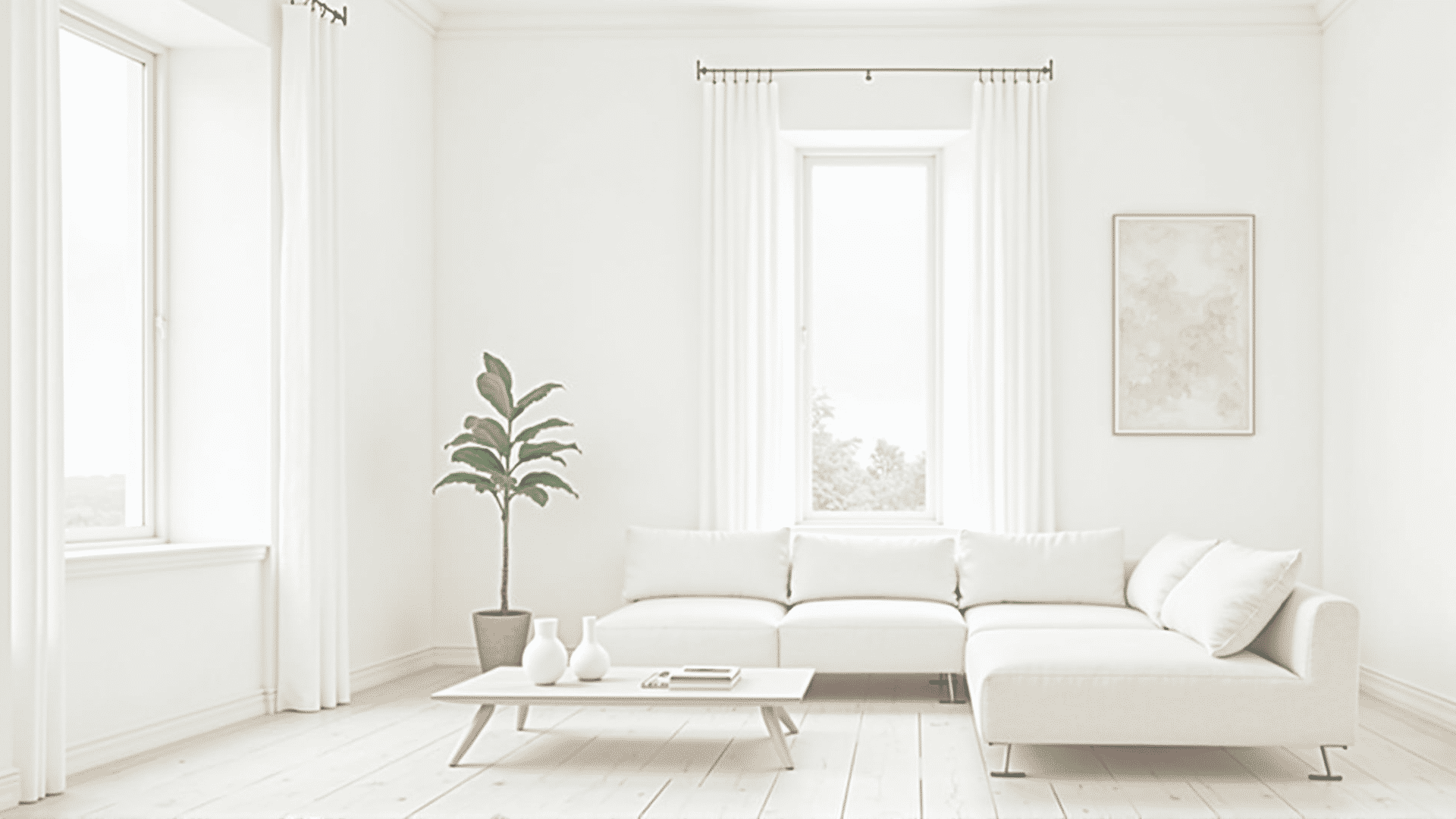
Minimalism in home design offers a refreshing approach that celebrates simplicity and functionality. Emphasizing clean lines, open spaces, and intentional choices, this philosophy is about more than just removing clutter—it's about creating an environment of peace and purpose.
At the heart of minimalism is the concept that every item in a space should serve a purpose, contribute to the overall aesthetic, or ideally, both. This encourages thoughtful selection and promotes the idea of quality over quantity. By focusing on a few well-chosen pieces, you can craft a space that feels both deliberate and serene.
Color schemes are an essential element of minimalism, with neutral tones often forming the backdrop. Whites, grays, and beiges provide a calming canvas that enhances natural light and creates a sense of openness. Splashing in a few accent colors, such as muted pastels or deep earth tones, can add character while still maintaining the minimalist spirit.
Furniture and décor are usually streamlined and functional, providing essential services without overwhelming the room. Natural materials such as wood, stone, and metal often make appearances in minimalist spaces, connecting the indoors with nature and adding warmth and texture without being overstated.
Aside from aesthetics, minimalism emphasizes functionality and practicality. Open spaces are integral, as they enhance mobility and flexibility in how rooms can be used. Storage solutions are cleverly integrated, often hidden within the structure of furniture, to maintain a clutter-free environment.
Lighting also plays a key role in minimalist design. Natural light is prioritized, with large windows and sheer curtains. When artificial lighting is necessary, it typically involves simple, elegant fixtures that complement the overall aesthetic without drawing excessive attention.
Another benefit of minimalism is the promotion of sustainability. By focusing on fewer, better-quality items, this approach encourages more conscious consumption and a reduced environmental footprint. Embracing minimalism can lead to a more mindful lifestyle, encouraging intentional living and allowing spaces to adapt to changing needs over time.
In essence, minimalism is not just about creating an organized and uncluttered space, but about crafting a home that serves as a sanctuary from the chaos of the outside world. By embracing these principles, you can foster an environment that promotes tranquility and focus, helping to elevate everyday living into an experience of serene simplicity.